
Roofing
This handout is a compilation of some of the standard requirements based on the State Building Code and City Ordinance for projects of this type. This information packet does not contain all the specific codes for construction and should only be used as a guide. The permittee is responsible to meet all code requirements applicable to each project.
Note: If home is a Heritage Preservation Site (historic property), prior approval from the City Planner and/or HPC is required before issuance of permit.
Submittals
- Permit Application - Siding/Roofing/Windows
- Owner Wavier if homeowner is completing the work themselves.
Required Inspections
- Underlayment Photos:
- Roof decking replacement (if applicable)
- Underlayment on all roof planes
- Final
- Photos must be submitted prior to scheduling final inspection.
- Provide access for properties with fenced yards.
Typical Code Requirements
- New roof coverings shall not be installed without first removing existing roof coverings.
- Damaged or deteriorated decking shall be replaced.
- Roof decks shall be solidly sheathed with maximum spacing as allowed by shingle manufacturers’ installation requirements.
- Ice and water barriers shall be installed on all roofs, including porches, and attached garages.
- Protection shall be from the eave to a point twenty-four inches inside the exterior wall line.
- Ice and water barrier required at locations with history of ice formation.
- Replace all weathered metal flashing as required by code.
- Shingles must meet 115 mph wind requirement.
- Valley linings must be installed according to the manufacturers’ installation instructions.
- Low sloped roofs (2:12-4:12) require double underlayment installed per R905.1.1(2) or continuous ice and water.
- Fiberglass of asphalt shingles are not permitted on roofs with a pitch of less than 2:12.

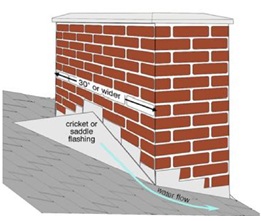
- A cricket of saddle shall be installed on the ridge side of any chimney or penetration more than 30 inches wide.
- Attics must be provided with ventilation. Minimum ventilation requirements are 1square feet of vent for each 150 square feet of attic.
- Exhaust vents require screens with openings ¼ to ½ inch in size.
- Dryer vents must be free of screens to prevent lint build up.
Sign up to our News and Notices
Stay up to date on the city's activities, events, programs and operations by subscribing to our news, notices and publications.